
Companionship
Easily Recreate the Same Look with Companionship
Copy Companionship prompts in one click and quickly recreate the same look in your images and videos, without starting from scratch.
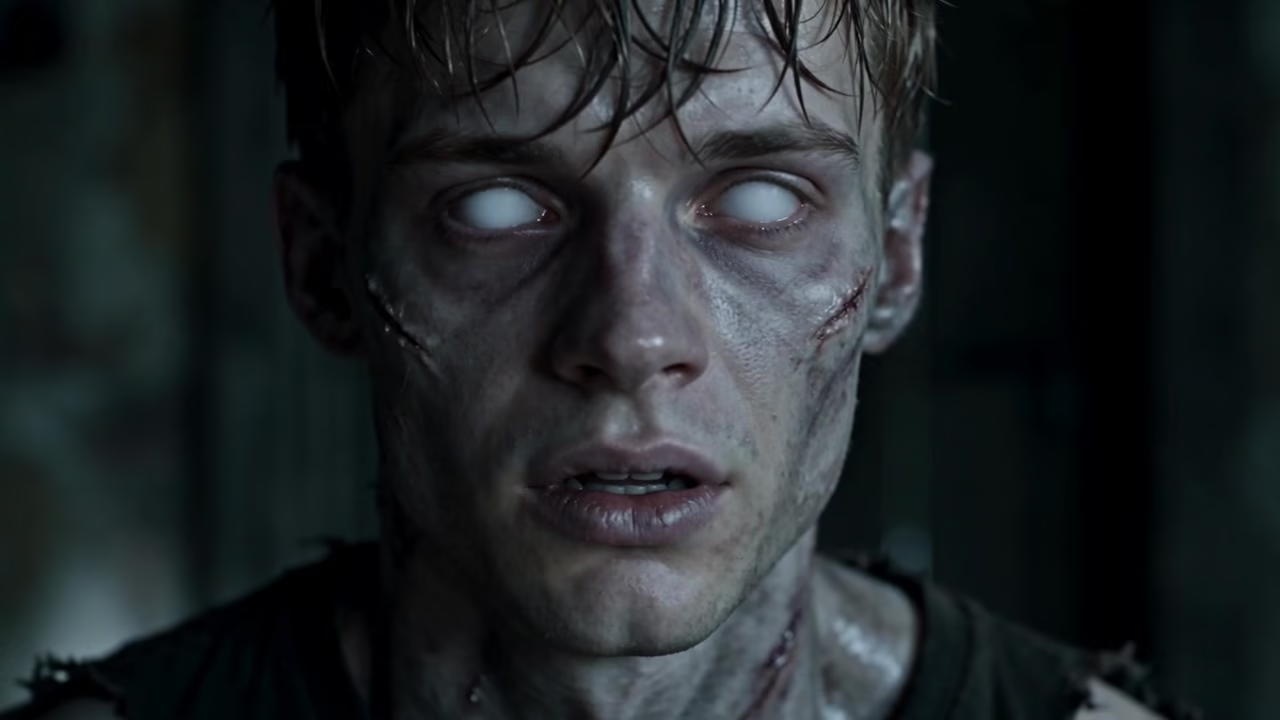
AI Prompt
Generate a 25-second hyper-realistic video with 4K, cinematic-quality texture. Camera pixel parameters: 1.6; natural image noise level: 3.0; realism parameter: 1.6. The lighting and shadow transitions are seamless, and the human body proportions are perfectly accurate. The protagonist’s facial features, gender, temperament, hair color, hairstyle, makeup, and overall outfit are 100% based on the characteristics depicted in the provided image. [25-Second Video] This 25-second short film exemplifies a quintessential post-apocalyptic emotional narrative, advancing its mood through dynamic shifts in shot scale, color tone, and camera movement. Shot scales flexibly transition between extreme close-ups of the face, over-the-shoulder perspectives, medium shots, tracking close-ups, and wide panoramic views. The opening begins with a facial close-up to heighten tension, followed by an over-the-shoulder shot during eye-contact scenes to forge an emotional bond between the character and their pet. In interactive moments, medium-to-close shots capture subtle action details, while the finale employs a sweeping wide shot to leave the audience with lingering emotion. Camera angles range from frontal eye-level views to back-of‑the‑head perspectives, side-following shots, and distant overheads. Movements primarily consist of slow pushes, steady tracking, and smooth transitions, avoiding abrupt shakes throughout. The pacing is tight at the beginning and gradually softens toward the end, maintaining controlled tension. The visual texture presents a striking contrast between warm and cool tones: in realistic scenes, the palette leans toward low-saturation, cold gray-blue hues, with dim indoor lighting and stark contrasts created by harsh sidelighting streaming through windows, casting sharp shadows on walls and evoking an overall somber, oppressive atmosphere. In flashback sequences, the tone shifts to high-saturation, warm golden sunset shades, bathing the grassy landscape in soft, radiant light—warm, bright, and gently hazy—allowing for a clear distinction between reality and memory. Action and Narrative Flow 0–3 seconds: An extreme close-up focuses on the protagonist’s grotesque transformation—pale, lifeless skin marred by tiny scars, damp, disheveled hair plastered across the forehead, eyes completely white with no pupils, wearing a filthy black shirt riddled with tears, lips slightly parted, expression numb and rigid. The figure stares blankly ahead like a zombie as the camera slowly zooms in, intensifying the eerie sense of foreboding. 3–5 seconds: The scene shifts to an over-the-shoulder view, following the protagonist’s gaze toward a wooden table before them. A small pet stands atop the table, its dark, wet eyes unafraid, staring calmly into the protagonist’s eyes. The camera then cuts to a close-up of the pet’s face—its gaze gentle yet resolute, locked in quiet mutual observation. 5–8 seconds: A medium shot reveals the protagonist hunched over, arms limp at their sides, moving slowly and heavily toward the table. The camera tracks smoothly alongside this deliberate motion. Meanwhile, the pet crouches low, muscles taut, poised to leap, its eyes never leaving the protagonist. 8–12 seconds: Without warning, the pet springs off the table, leaping upward. The camera follows its trajectory, but instead of attacking, it lands directly in the protagonist’s arms, front paws resting on the arm, nuzzling affectionately against the chest. The shot immediately returns to a close-up of the protagonist’s face, where tears begin to trickle down from previously vacant, blank eyes. The numbed expression softens slightly, hinting at humanity awakening beneath layers of alienation. 12–20 seconds: The color palette abruptly shifts from the cold, gloomy interior of the cabin to a warm, golden outdoor meadow. The transformed protagonist reverts to their former healthy self, clad in a clean black T-shirt, stepping into a tender memory with their pet. The animal approaches, licking the protagonist’s cheek affectionately, while the protagonist laughs openly, closing their eyes and gently stroking the pet’s ear. The pet joyfully leaps into the protagonist’s embrace, lifted high before settling back onto the soft grass. Resting quietly against the protagonist’s chest, the pet’s fur glistens under the warm glow of the setting sun, which dyes the blades of grass a translucent golden hue, creating a relaxed, healing atmosphere. 20–22 seconds: The flashback continues as the pair runs together through knee-high grass toward the setting sun, the pet wagging its tail happily by the protagonist’s side, pure carefree joy radiating from every frame. 22–25 seconds: The camera pulls back to reveal a sweeping wide shot. A pink-orange sunset blankets the sky, with rolling valleys stretching into the distance. Perched on a hilltop, the protagonist sits on the grass, cradling the pet in their arms. Together, they turn their backs to the camera, gazing silently at the fading sun. The scene freezes in a moment both tender and poignant. Overall Atmosphere Using a post-apocalyptic zombie premise, the short film conveys its entire story without dialogue, relying solely on visual language and action to evoke emotion. The chilling, oppressive first half contrasts sharply with the warm, healing second half. The pet’s fearless acceptance of its transformed owner—and its subsequent act of embracing—awakens remnants of humanity and cherished memories, illustrating a profound bond that transcends transformation and even death. The restrained emotional delivery is deeply moving, wrapping a fragile core of tenderness within a spine-chilling exterior. The final wide-angle shot leaves ample room for lingering reflection, inviting viewers to savor the bittersweet resonance of the moment.