
Haunted
Easily Recreate the Same Look with Haunted
Copy Haunted prompts in one click and quickly recreate the same look in your images and videos, without starting from scratch.
AI Prompt
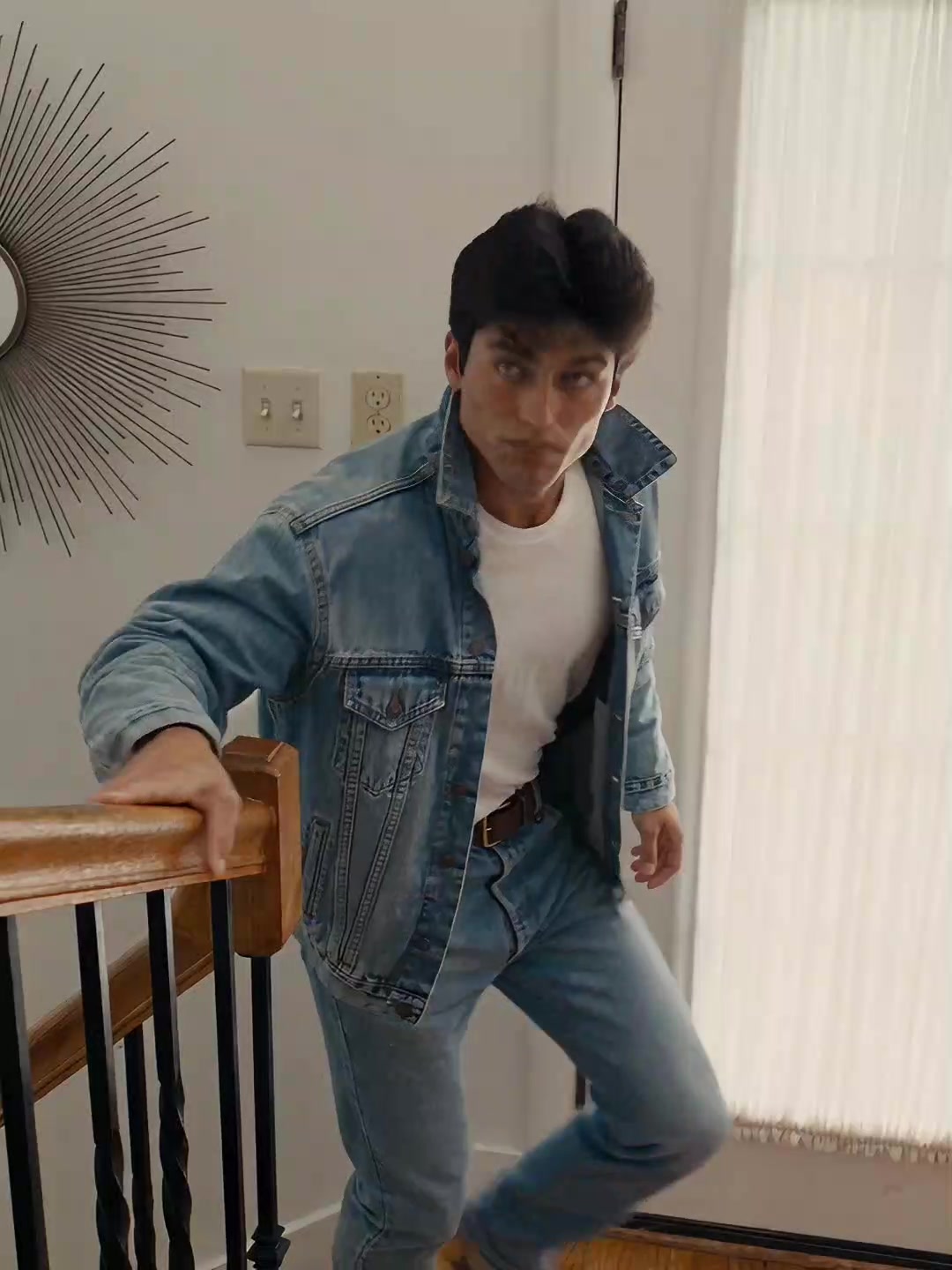
Generate a 10-second hyperrealistic video with 4K, cinematic-quality texture, {camera pixel parameters: 1.6}, natural image noise level of 3.0, {realism parameter: 1.6}, seamless light-and-shadow transitions, and perfectly accurate human body proportions. The protagonist’s facial features, gender, temperament, hair color, hairstyle, makeup, and outfit are 100% based on the characteristics depicted in @the image. [10-Second Video] This is a fast-paced, horror‑style short video that employs hard cuts and eye‑line matching throughout its editing. By rapidly alternating shot sizes and angles, it piles up suspenseful moments, culminating in an absurd twist involving spatial dislocation: 0:00–0:02 – Setting the stage Shot: Medium shot, static camera positioned at eye level with no movement; shows a bright, everyday residential stairwell: white walls adorned with radiating metallic art pieces, a sheer white curtain on the right, wooden handrails with black brackets, and power outlets and switches visible on the wall. Action: The protagonist ascends the stairs, initially resting their right hand on the rail while stepping up with their left leg. Suddenly, they look up toward the top of the staircase, slide their right hand along the rail to grip the front end tightly, bend their knees, instinctively shift their center of gravity backward, and display a wary, startled expression, their gaze locked firmly on the upper area. 0:02–0:02.8 – Introducing the first scare Transition: Hard cut, matched by eye‑line editing (fully continuing the direction of the protagonist’s upward gaze). Shot: Low-angle, upward‑facing fixed camera; reveals a bedroom scene: beneath the white ceiling, a sliding wardrobe with black frames and white doors reflects the TV on the wall and the bedroom door, while a terrifying figure stands atop the wardrobe. Visuals & Action: A ghostly face—pale foundation paired with dark smoky eye makeup—wears a black hooded layered gauze robe, standing rigidly atop the wardrobe. Its expressionless face looks straight down at the camera, and the extreme upward angle dramatically amplifies the oppressive sense of being watched from above. 0:02.8–0:03.5 – Heightening fear Transition: Hard cut, matched by eye‑line/reaction. Shot: Medium‑closeup, static camera at eye level, focusing on the protagonist’s upper body as they return to the stairwell scene. Action: The man continues gripping the handrail tightly, eyes wide open, mouth slightly agape, facial muscles tense, maintaining his upward gaze. His body remains frozen, utterly stunned by what he sees above. 0:03.5–0:05.5 – Building tension Transition: Hard cut, returning to the scene where the spirit resides. Shot: Low‑angle, upward‑facing fixed camera, leveraging the character’s forward lean to create a perspective effect that pushes the frame closer. Action: The spirit slowly leans forward from its rigid stance, extending a pale right hand downward toward the camera (in the direction of the stairs). As the hand grows larger in the frame, its fingertips point toward the lower portion of the shot, while the ghostly face keeps its gaze fixed below. This gradual motion intensifies the feeling of impending capture and mounting pressure. 0:05.5–0:06.8 – A pause in rhythm, introducing new suspense Transition: Hard cut, back to the stairwell. Shot: Medium shot, static camera at eye level. Action: The protagonist maintains their grip on the handrail but suddenly glances toward the room door where the spirit resides (on the right side of the frame), their expression shifting from terror to puzzled bewilderment—as if hearing a sound. Their attention shifts away from the spirit above, and they subtly pivot their body to the right, slightly moving their weight forward. 0:06.8–0:08.5 – Unveiling the second scare Transition: Hard cut, matched by perspective (a sideways view). Shot: Close-up of the floor, extremely low‑angle俯拍 (close to the tiled surface), static camera; reveals the bedroom’s white tiled floor, with a yellow floral bedspread draped over the bed on the right. Visuals: Two very thin black tentacles protrude from under the bed, connecting to a small dark patch beneath that resembles a giant insect. These tentacles tremble ever so slightly, hinting at something hidden under the bed—a classic horror motif that heightens tension. 0:08.5–0:10 – The twist finale Transition: Hard cut, returning to the overhead view of the wardrobe. Shot: Low‑angle, upward‑facing fixed camera. Visuals & Action: The black-robed spirit still stands atop the wardrobe, while the protagonist—who was previously on the stairs—now finds themselves perched on the edge of the wardrobe to the spirit’s right. With their left hand pressed against their chest, looking dazed and shaken, the protagonist clutches the spirit’s hand tightly. Together, they peer downward, completing the chilling twist with an absurd scene that defies conventional spatial logic. Overall Cinematography and Narrative Style Cinematic Language: Throughout, there are no complex camera movements. Instead, static medium shots convey character reactions, low‑angle upward shots amplify the spirit’s oppressive presence, and extreme close-ups create an atmosphere of unknown dread—all alternating swiftly to stir audience emotions. Editing Logic: All transitions rely on hard cuts, seamlessly linking scenes according to the protagonist’s line of sight. The pacing follows the standard short‑video narrative structure of “everyday setup → introduction of scares → emotional buildup → momentary pause → secondary scare → climactic twist,” delivering three distinct emotional peaks within just ten seconds.