
Halftone Filter
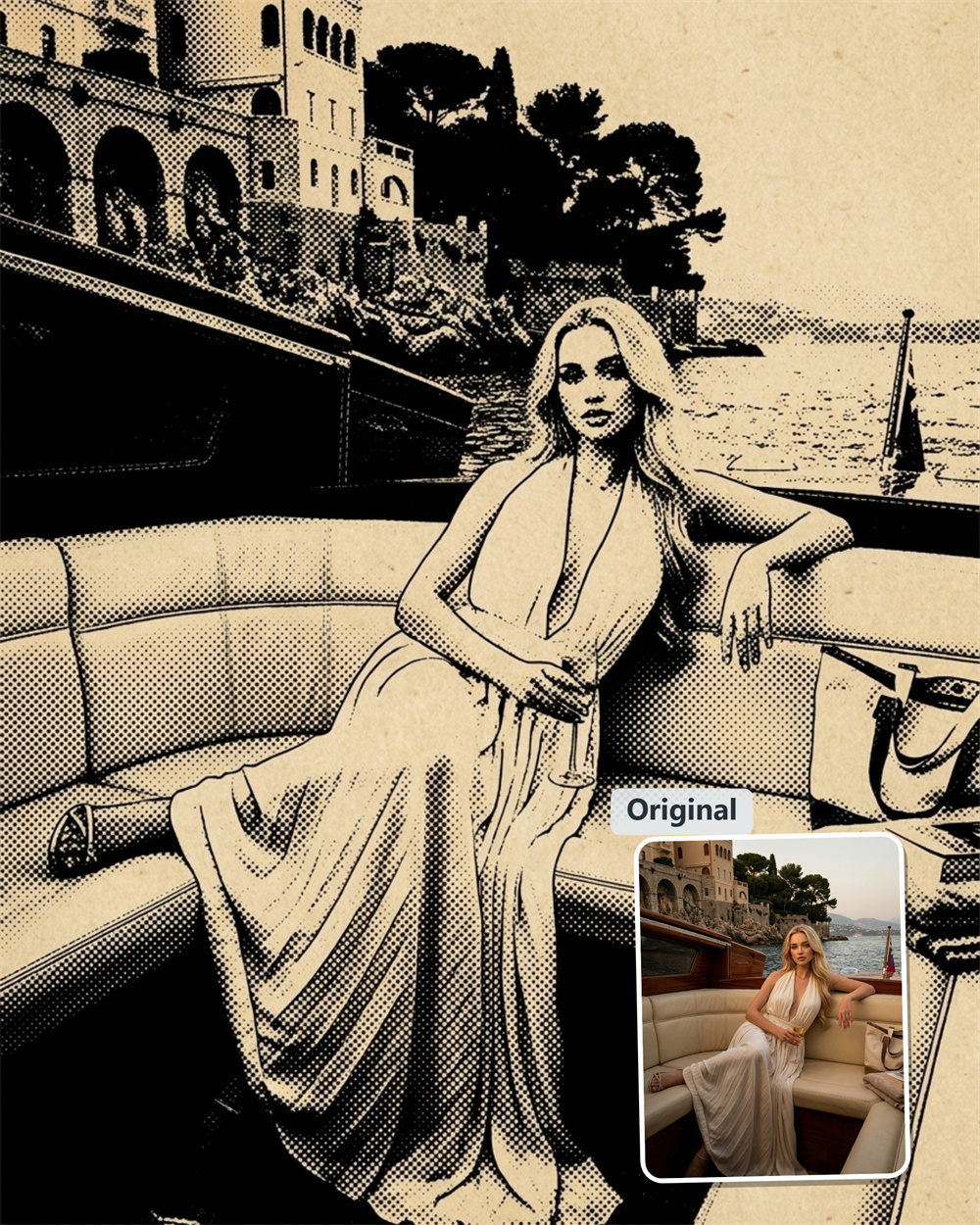
Convert Any Photo to Retro Halftone Dot Art
Turn any picture into classic halftone art or vintage newsprint graphics. Upload your photo and instantly apply an authentic AI halftone effect that captures light and shadow without complex design software.
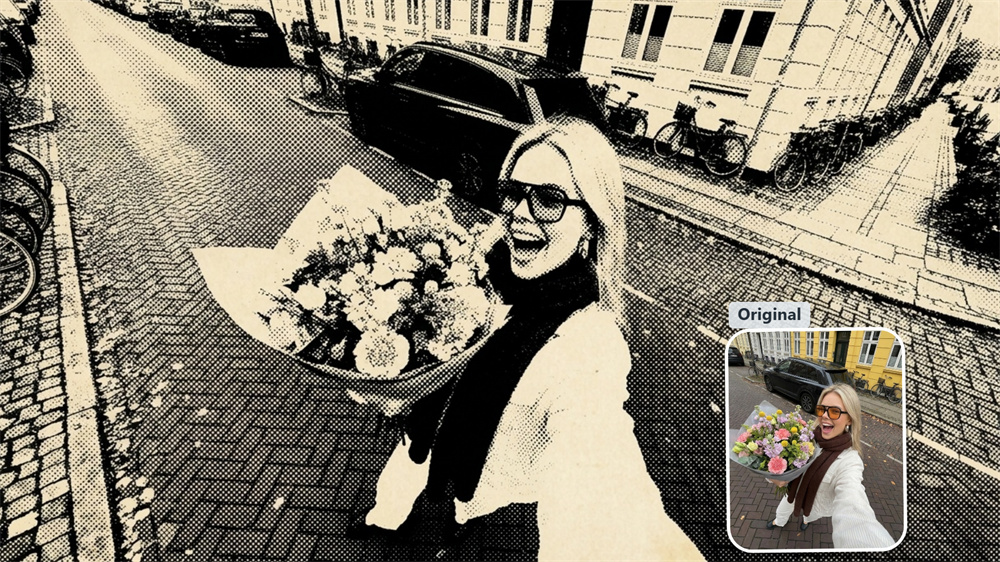
Classic Comic Book & Pop Art Aesthetics
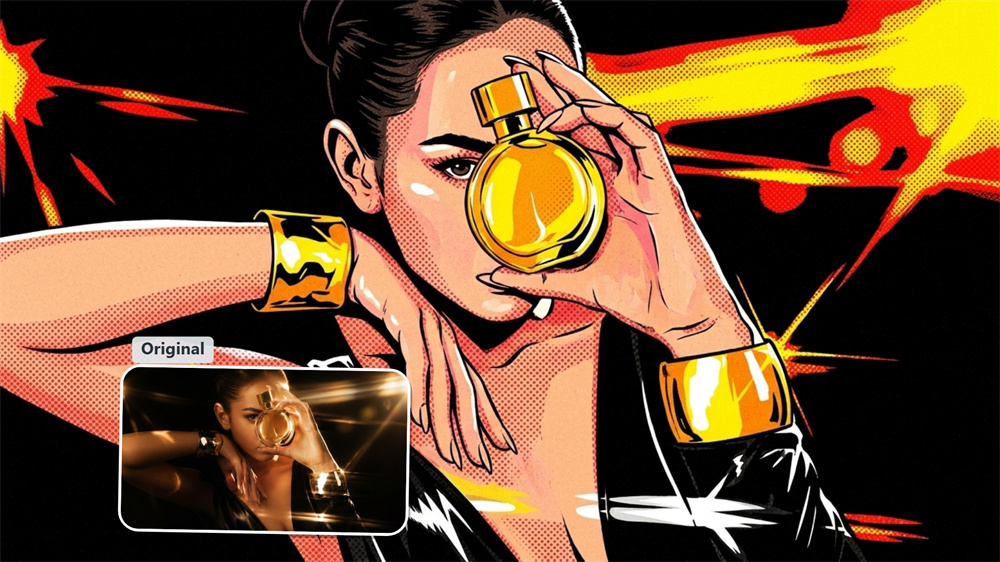
Recapture the iconic look of 1960s comic books and pop art prints. This AI halftone filter analyzes the brightness in your photo and renders it into crisp Ben-Day dots, turning everyday portraits and shots into striking visual artwork.
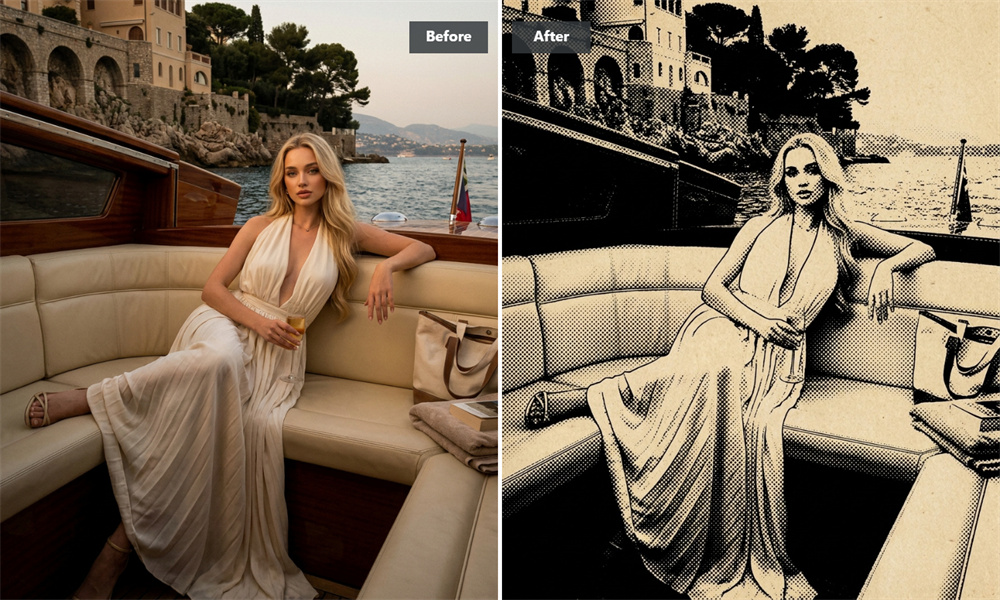
Instant Stipple & Screentone Texture
Achieve the look of traditional pen-and-ink stippling or manga screentone without the manual labor. Perfect for editorial graphics, apparel designs, or quick social visuals that need a distinct tactile edge.
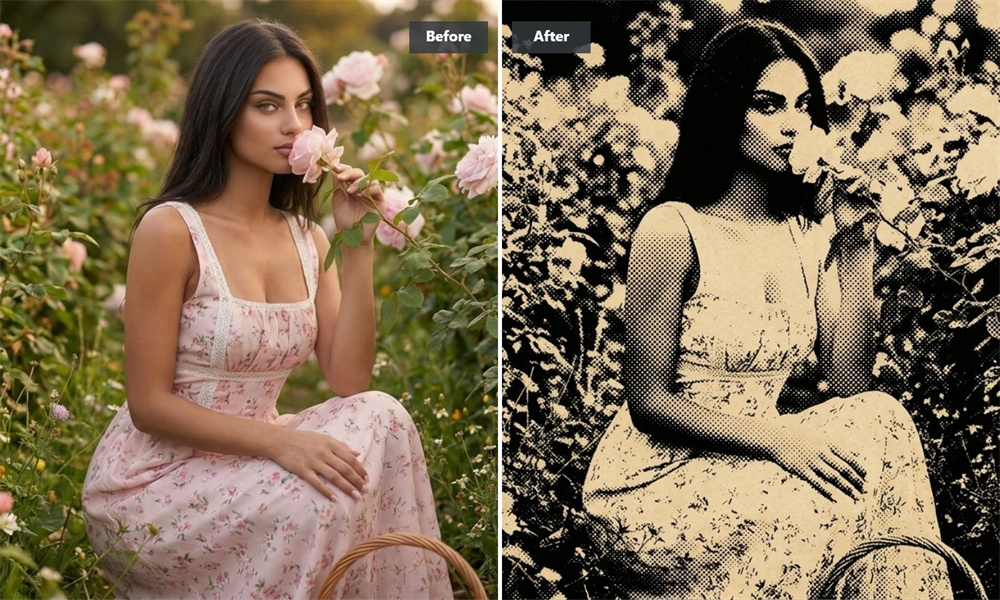
Instant Processing with No Layer Setup
Traditionally, creating halftones requires manual channel splitting, blur adjustments, and threshold tuning. Our AI generator automates the creative process, delivering a clean halftone effect as soon as you upload.
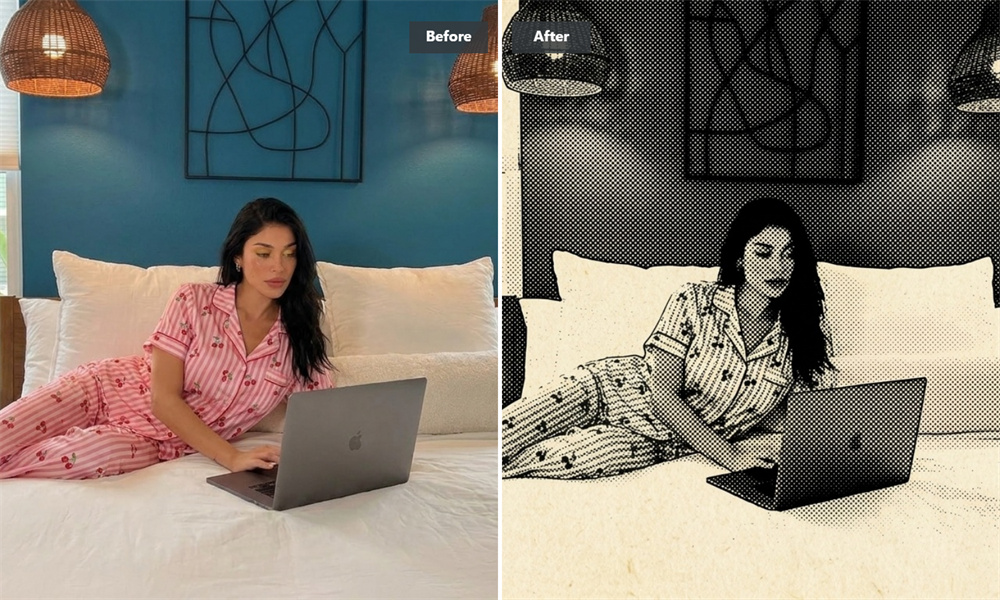
High-Contrast Output Built for Print and Screen
Strong dot patterns perform exceptionally well both digitally and in physical media. Use your converted graphics for screen printing on apparel, poster layouts, zines, or digital graphic design assets.
Convert Photos to Halftone Art in 3 Steps
Select and Upload Your Photo
Drag your image into the AI generator to begin.
Automatic AI Halftone Processing
Our AI model instantly renders your picture into a halftone dot layout.
Save Your Finished Graphic
Download the high-resolution artwork for your print or digital project.
Explore More AI Visual Effects & Styles
Frequently Asked Questions About Halftone Filter
What is a halftone filter and how does it convert images?
A halftone filter breaks down continuous image tones into a grid of small dots. By varying the dot size based on light and shadow, it creates the visual illusion of smooth gradients—similar to vintage newspaper printing, comic books, and screen printing.
How does halftone differ from stipple art?
Both techniques build images out of dots, but they handle shading differently. Halftones place dots on a structured grid and change dot sizes to show tone. Stippling uses uniform dot sizes, adjusting shadow density by crowding dots closer together for a hand-drawn look.
What types of images yield the sharpest halftone effect?
Pictures with strong light-and-dark contrast work best. High-contrast portraits, bold product photography, graphics, and clean street shots produce clear, well-defined dot patterns.
Can these halftone images be used for physical screen printing?
Yes. High-contrast dot graphics translate cleanly onto physical media, making them well-suited for T-shirt printing, Risograph zines, posters, and laser engraving.